Know When to Repair vs. Remove Bathroom Materials After Mold
@thecleancorner
November 13, 2026 · 7 min read
Understanding the Decision: Repair or Remove?
When you find mold in a bathroom, the first question is often whether the affected materials can be cleaned and saved or if they need to come out entirely. The answer depends on the material, the extent of the damage, and how deep the mold has grown. A careful bathroom mold inspection is the starting point for making that call. It helps you see what is happening on the surface and, more importantly, what is happening underneath.
Mold needs moisture and a food source. In a bathroom, the food source is often organic material like drywall paper, wood studs, or the backing on vinyl wall coverings. When mold takes hold, it does not always stay on the surface. It can grow into porous materials, making simple cleaning ineffective. Knowing when to scrub and when to tear out saves time, money, and future headaches.
Materials That Can Often Be Repaired
Some bathroom surfaces are non-porous or only lightly porous. These materials do not absorb water easily, so mold tends to stay on the surface. That makes them good candidates for cleaning and repair rather than removal.
Tile and Grout
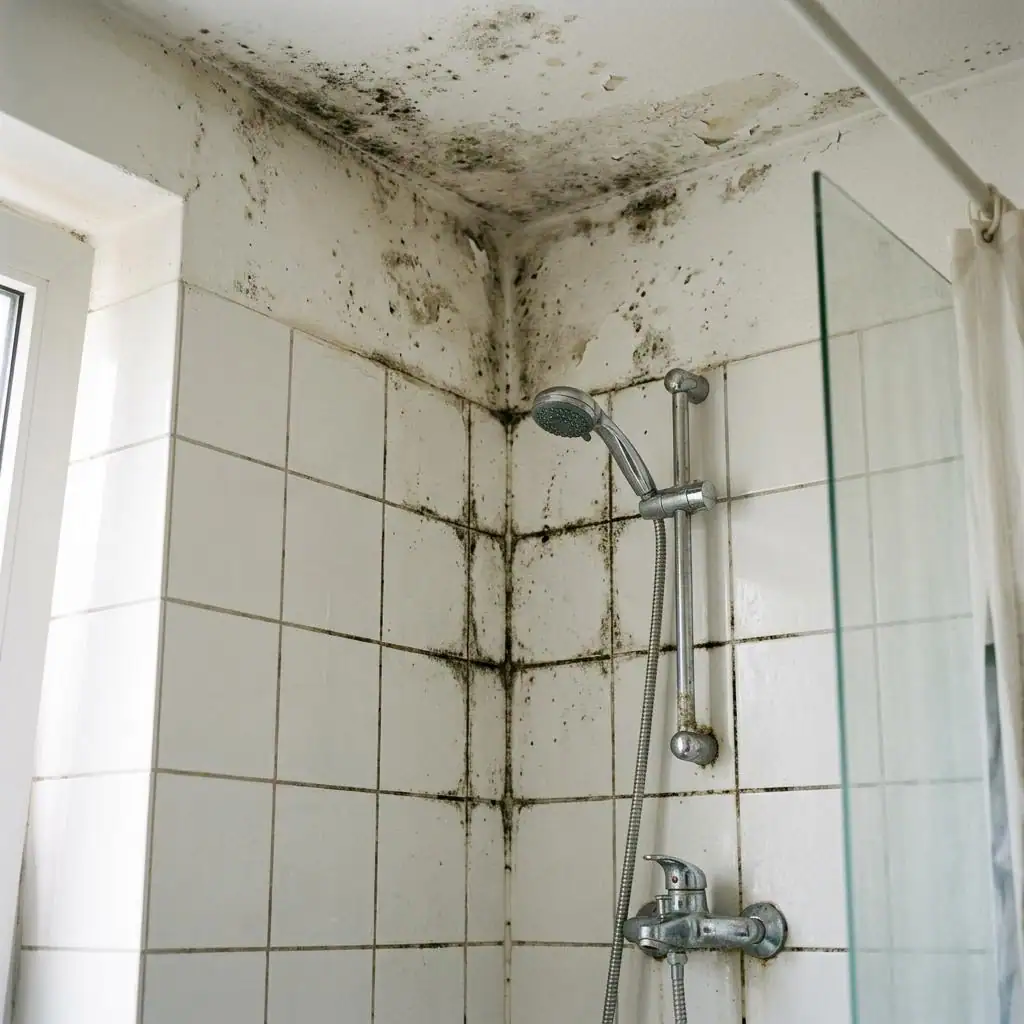
Ceramic or porcelain tile is one of the most common bathroom surfaces. Mold on tile is usually surface-level. A thorough cleaning with a proper cleaner and a stiff brush can often remove it. Grout is more porous and can hold mold deeper. If the grout is still sound and not crumbling, you may be able to clean it with a bleach-free product or replace just the grout lines rather than the whole wall. A Mold Removal Boston Pros bathroom mold inspection can help determine whether the mold in grout is only on the surface or has spread behind the tile.
Glass and Metal Fixtures
Shower doors, mirrors, chrome fixtures, and glass shelves are non-porous. Mold on these items wipes away easily with a mild cleaner. No removal is needed unless the fixture itself is damaged by corrosion or water intrusion. Check for pitting or rust where water sits, as those spots can harbor mold over time.
Caulk and Sealant
Caulk around tubs, sinks, and showers is a common mold magnet. It is flexible and slightly porous. If the caulk is still intact and only has surface mold, you can often clean it. But if the caulk is peeling, cracked, or has mold growing through it, the better move is to remove and replace it. Old caulk loses its seal, allowing moisture to get behind it and cause bigger problems.
When Removal Is the Right Choice
Some materials simply cannot be saved once mold takes hold. Removing them is the only way to stop the mold from coming back and to protect the structure behind them.
Drywall and Plaster
Drywall is highly porous. If mold is visible on the surface, there is a good chance it has grown into the paper facing and possibly into the gypsum core. Cutting out and replacing affected sections is standard practice. Plaster is denser but can still wick moisture. If the plaster is soft, crumbling, or shows heavy mold, removal is safer than trying to treat it. A thorough bathroom mold inspection will check for moisture behind the wall, which is a sure sign the drywall or plaster needs to come out.
Wood Studs and Subfloor
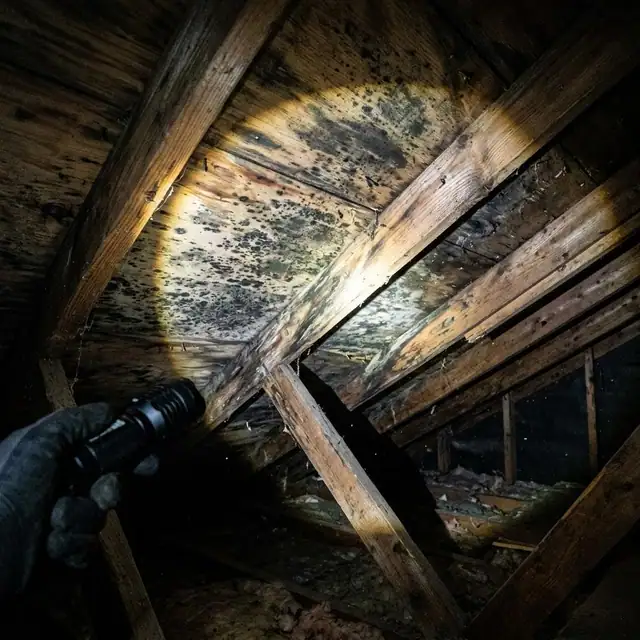
Wood behind tile or under flooring can rot if moisture has been present long enough. Surface mold on wood can sometimes be treated with a professional-grade cleaner, but if the wood is soft, punky, or has deep fungal growth, it should be removed and replaced. Leaving compromised wood in place risks structural issues and persistent mold growth. The inspection process should include probing the wood with a moisture meter to see how deep the problem goes.
Insulation
Bathroom walls often contain fiberglass or foam insulation. If insulation gets wet and stays wet, it can harbor mold and lose its thermal performance. Fiberglass insulation is cheap to replace, so there is little reason to try to save it. If the insulation shows any signs of mold or moisture, pull it out and put in fresh material. This is especially important in exterior walls where moisture can also attract pests.
Vinyl Wallpaper or Wall Coverings
Vinyl wallpaper is often used in bathrooms because it resists water. But if moisture gets behind it, the paper backing and the adhesive are perfect food for mold. Once mold is growing behind vinyl, you cannot clean it effectively. The wallpaper must be removed, and the wall surface underneath must be inspected and treated before re-covering. Peeling edges or bubbling sections are early warning signs that removal is needed.
How a Professional Inspection Guides the Decision
A bathroom mold inspection is not just about looking for visible spots. It involves checking for hidden moisture, testing the condition of materials, and understanding the airflow and ventilation in the room. A good inspection will reveal whether the mold is surface-level or has penetrated into the structure. This information is what tells you whether to clean or cut out.
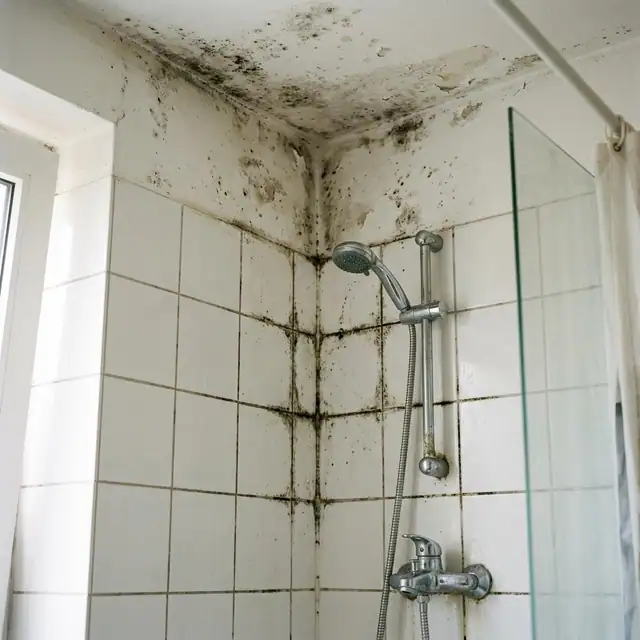
For example, if the inspection finds high moisture readings behind a tiled wall, the drywall underneath may already be compromised even if the tile looks fine. In that case, removal of the tile and the wall board is the only lasting fix. On the other hand, if the inspection shows low moisture and only superficial mold on the tile, a thorough cleaning and better ventilation may be all that is needed.
The team at Mold Removal Boston Pros bathroom mold inspection provides this kind of detailed assessment. They look at the whole picture: visible growth, hidden moisture, damaged materials, and ventilation problems. With that information, a homeowner can decide which parts of the bathroom need repair and which need full removal.
Factors That Tip the Balance
Beyond the material type, a few other factors help decide between repair and removal.
- Duration of moisture exposure. If a leak has been active for weeks, materials are likely saturated. Removal is safer than hoping a surface treatment works.
- Size of the affected area. A small patch of mold on a non-porous surface is different from mold covering a large wall. Larger areas often indicate deeper issues.
- Health concerns. If anyone in the home has asthma, allergies, or a weakened immune system, removal of heavily infested materials is usually recommended to limit airborne spores.
- Future prevention. Even if a material can be cleaned, if the underlying moisture problem is not fixed, the mold will return. In that case, removal and addressing the moisture source is the better long-term choice.
What to Expect During the Decision Process
Start with a visual check. Look for discoloration, musty odors, peeling paint, or soft spots. If you see these signs, the next step is a professional evaluation. Mold Removal Boston Pros can help you understand the extent of the problem without making assumptions. They will use moisture meters, borescopes, and visual inspection to map out the affected areas.
Once you know what you are dealing with, make a list of the materials involved. For each one, ask: Is it porous? Is it structurally sound? Can it be dried out completely? If the answer to any of those questions points to permanent damage, removal is the path. If the material is non-porous and dry, repair is likely fine.
Remember that mold is not just a cosmetic issue. It can affect indoor air quality and the integrity of your home. Taking the time to assess each material properly saves you from repeated cleaning and from finding the same mold back again in a few months.
Practical Tips for Moving Forward
If you decide to repair, use products specifically designed for mold removal on the material you are cleaning. Avoid mixing bleach with other cleaners. Always wear gloves and a mask when handling moldy materials. Improve ventilation during and after the work to help surfaces dry completely.
If you decide to remove, prepare the area by sealing off doorways and vents to prevent spores from spreading. Remove materials carefully to avoid creating dust. Dispose of moldy drywall, insulation, and wood in sealed plastic bags. After removal, allow the area to dry thoroughly before installing new materials. Address the moisture source first, whether that is a leaky pipe, poor ventilation, or a failing seal.
Every bathroom mold situation is a little different. The right approach depends on what the inspection reveals. By understanding the difference between surface mold and structural growth, you can make informed decisions that keep your bathroom safe and functional for years to come.